



The UK food industry is undergoing one of its biggest ever shake-ups. In January 2026, new rules limit how food and drink brands can advertise HFSS items (high fat, salt, and sugar) deemed to be ‘less healthy’. And while we’ve already discussed how the HFSS food ad ban may affect your campaign, the role of influencers now needs a closer look.
Don’t worry, influencers are just as important as they’ve ever been – but food and drink brands may need to rethink how they’re used within an activation.
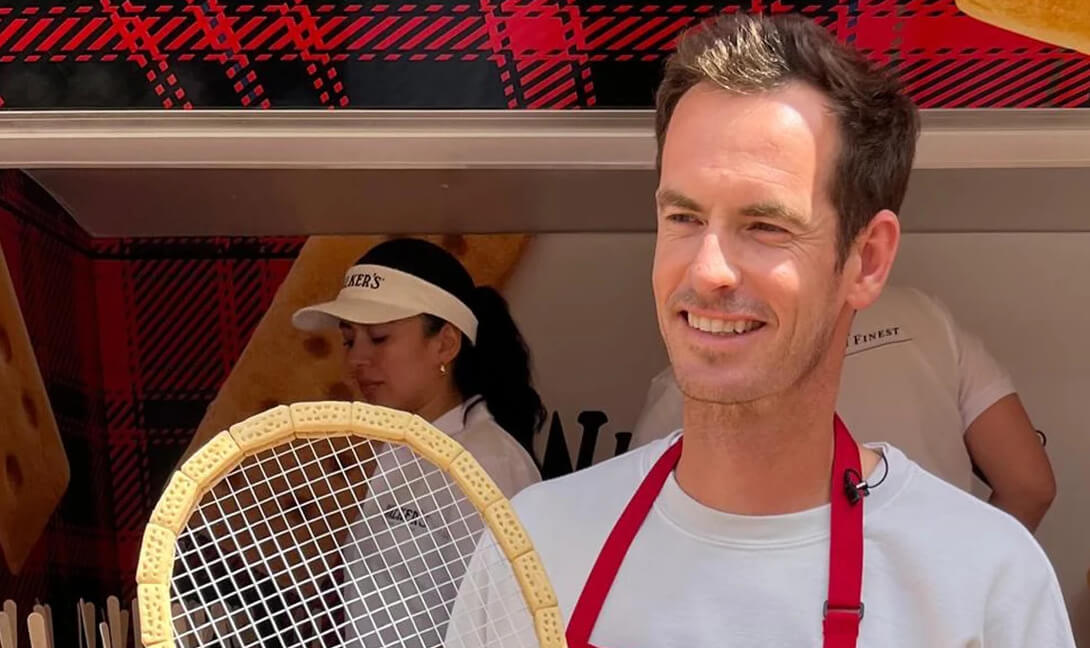
Below: Andy Murray on site for Walker's Scottish Shortbread
What’s now off the table?
HFSS regulations have made paid social posts advertising unhealthy products a thing of the past. So is payment-in-kind like freebies, VIP perks or exclusive access in exchange for content. Boosted posts and sponsored social content are restricted too, so anything seen as paying for an HFSS food or drink promotion is off-limits.
Put simply, if an influencer is being compensated to post about an HFSS product, it counts as paid advertising – and that’s now off the table.
Where do influencers fit post-HFSS?
These restrictions don’t remove influencer events from the picture. Instead, they now work better as participants and storytellers. Out-of-home brands like coffee and restaurant chains are unaffected, but all other food and drink brands may be left wondering, “How can influencers be used to make an impact?”
Check out our HFSS-ready marketing ideas for general advice, or read on to see how influencers can still play an essential role when it comes to live campaigns...
1. As guests, not advertisers
With no contract and no obligation, influencers are free to snap, post and share whatever they want.
This approach works especially well with micro-influencers. Creators with smaller but highly engaged audiences are often keen to capture any great moment they can. They’re happy to attend promotional campaigns and then share them in their own voice – without the need for payment or incentives.
In turn, influencer events will end up looking less forced and more authentic, with friendly faces who actually want to be there.
2. As champions of lifestyle
HFSS regulations don’t apply to everything, and that creates a real opportunity.
If you have a healthier range, or a low-sugar alternative, then influencers can still promote it however you like. Some food and drink brands go a step further, using influencers as the public faces of their healthier offerings. Options include:
- Fronting an HFSS-compliant product range
- Collaborating on a healthy new recipe
- Helping to launch a reformulated item
- Creating content around choice and lifestyle
This isn’t just a workaround. It’s a chance to futureproof your brand and appeal to a younger, more health-conscious market.
3. As trusted brand ambassadors
HFSS food advertising rules don’t stop you from telling your brand’s story or values – and that’s where influencers can act as true ambassadors.
Why not invite them to showcase how a campaign comes together or spotlight the people behind the brand? You could even ask them to take part in podcasts discussing topics like food culture, lifestyle, and sustainability.
By shifting focus from individual products to the bigger picture, you can use influencers to build trust while staying firmly on the right side of the regulations.
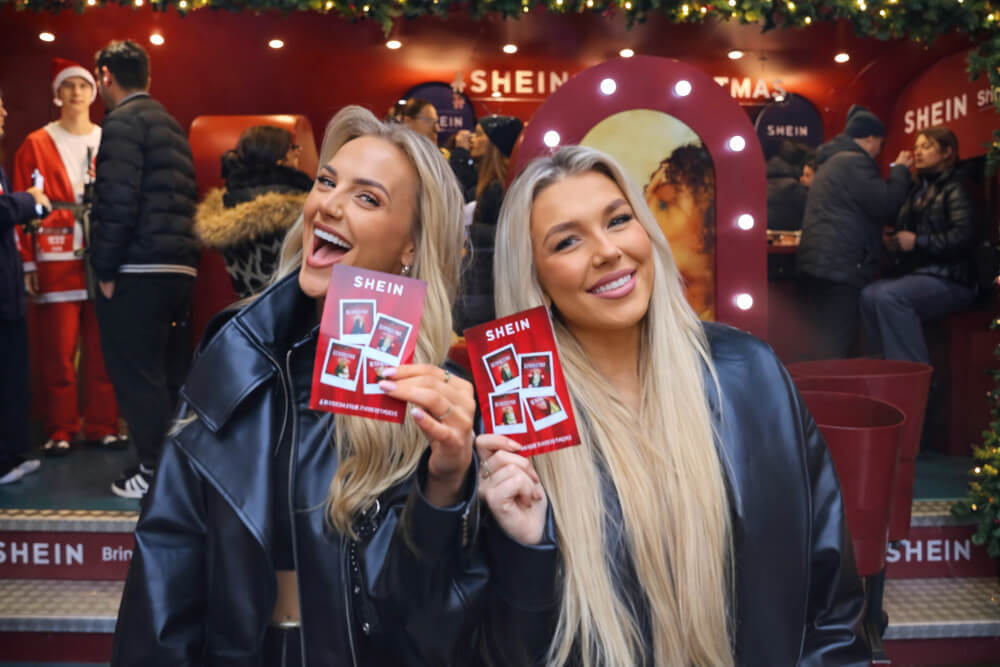
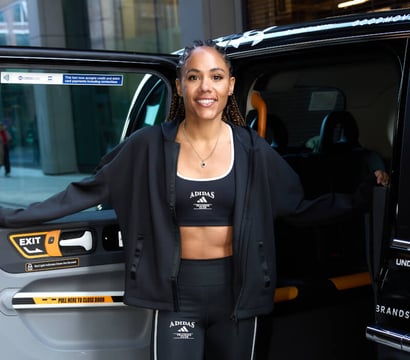
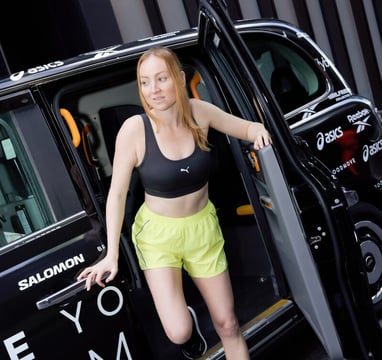
Below: Make Your Move with M&S and Alex Scott. Photography by @rebecca.munroe
4. As stars of user-generated content
An HFSS product now has its paid reach restricted, so user-generated content is even more valuable.
When a guest shares their experience online, it can carry more weight than a sponsored post. The key is designing an experience that will spark excitement. For example, Netflix asked us to replicate the Stranger Things pizza van for a London event, filled with the city's hottest influencers.
User-generated content builds trust and boosts visibility – all you have to do is set the stage. Discover how in our guide to turbocharging your live campaign.
Ready to plan your HFSS-ready campaign?
HFSS regulations may have changed how food and drink brands use influencers online, but they haven’t reduced the impact of live sampling or user-generated content.
So if you’re planning a food and drink activation and want to make sure it’s fully HFSS-compliant, book a free discovery call to explore your options.
We’ll talk through influencer events, sampling ideas, and HFSS-ready ideas that work in the real world.
