



The marketing landscape for HFSS food and drink has changed dramatically. With new HFSS regulations in play, brands can no longer rely on paid advertising. Now, they’re having to embrace organic content to talk about their ‘less healthy’ products.
In this article, we explore why this legislation is driving content over traditional ads, how brands are adapting, and why organic content is so effective in a post-HFSS world.
The impact of the HFSS ad ban
From January 2026, new rules affect how brands selling food and drink high in fat, salt or sugar can advertise. This applies to TV ads after 9 pm, paid digital ads (including boosted social media posts), in-store placement, and volume ‘buy-one, get-one’ offers.
It also means many brands can no longer pay influencers to advertise their HFSS food and drink – making it a challenge to get the word out.
It’s especially challenging if children make up 25% of their audience, as HFSS legislation was designed to encourage them to snack healthily. See the ASA’s guidance for more info or check out how the ad ban may affect your campaign.
How brands are changing their approach
With these rules making paid reach a thing of the past for certain brands, content becomes the biggest driver of customer engagement. Here’s how HFSS brands are using organic content to adapt to these changes – through 2026 and beyond!
Brand storytelling
Most HFSS food and drink brands can still advertise by talking about themselves.
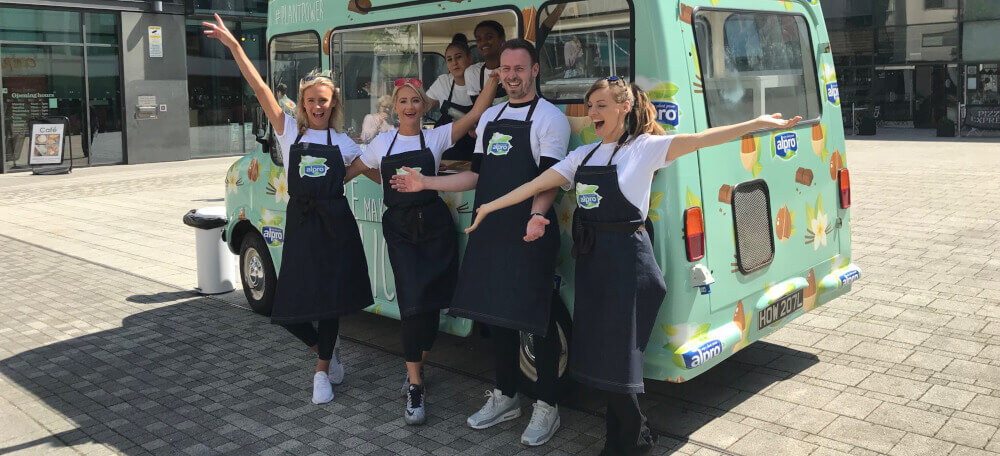
This may include discussing values, discussing positive methods, posting behind-the-scenes content, talking about the brand’s history, and putting staff front and centre.
This type of organic content is 100% free and can make a real impact online. That’s because people love to buy from brands they trust and align with. So if you’re all about sustainable methods or helping those less fortunate, turn that into a story to make a lasting impact!
Experiential campaigns
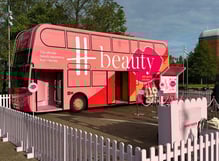
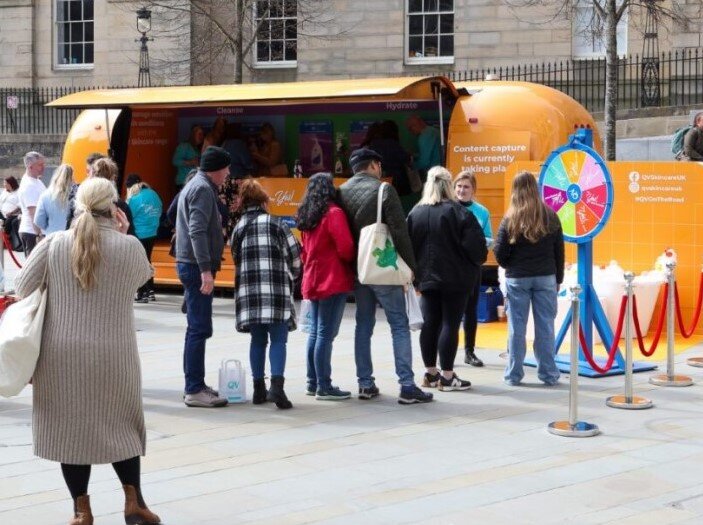
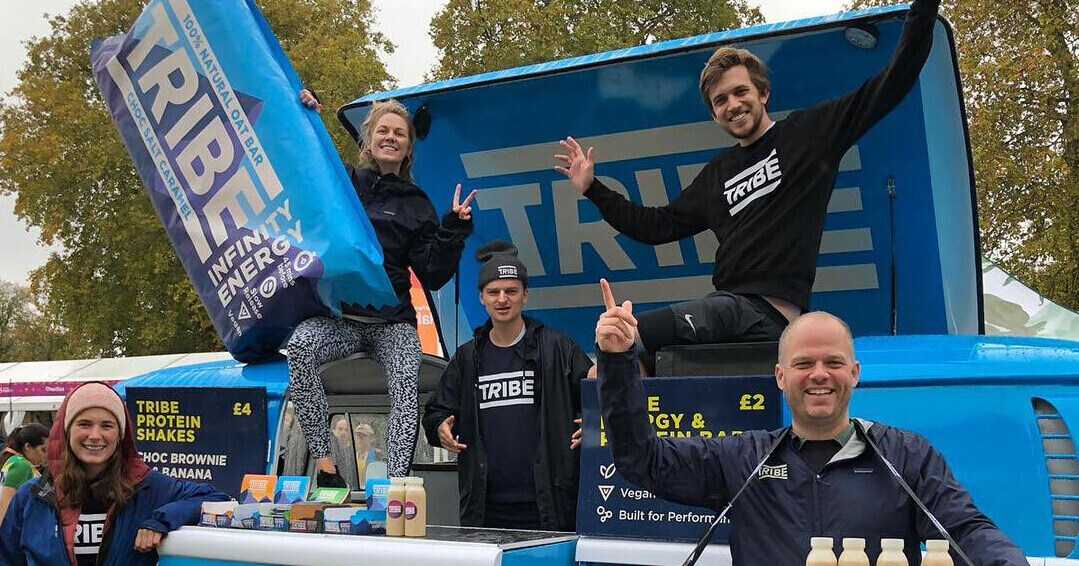
More brands than ever are moving towards live campaigns and events – and that’s because HFSS rules don’t apply.
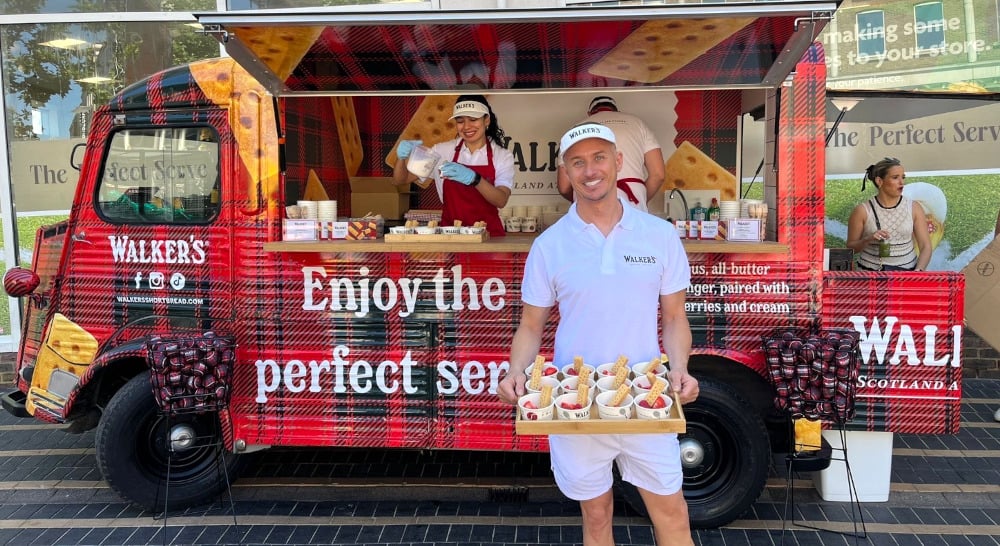
Hand out fresh samples, run a star-studded meet-and-greet, invite guests to play games in exchange for free prizes, or create a huge buzz like Netflix did with its Stranger Things pizza van – it all depends on what best suits the brand and target audience.
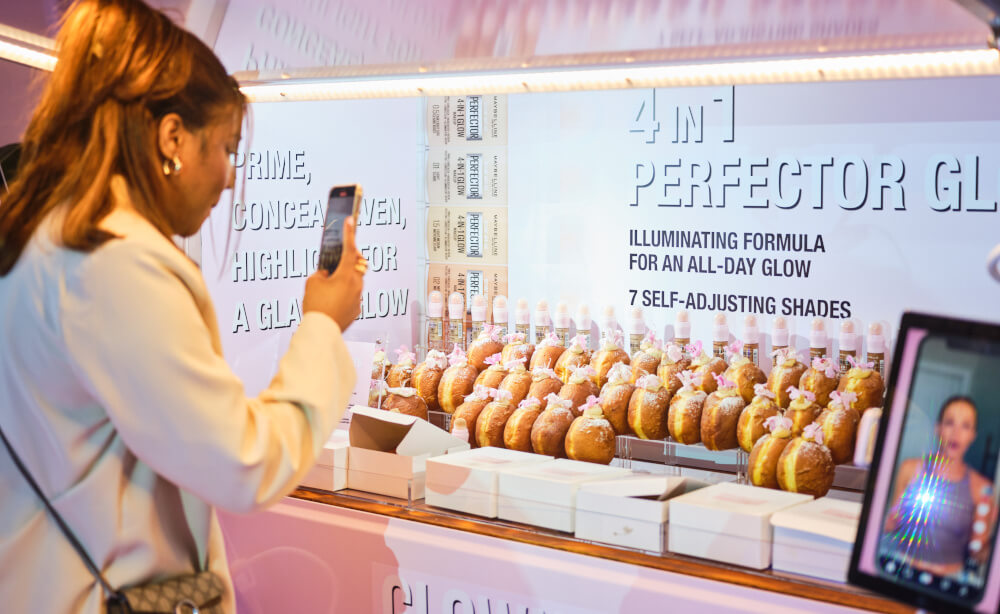
While you have to be careful with location, as many restrict the volume or type of product sampled, the right venue ensures fans will be quick to shoot user-generated content.
In this way, live campaigns are very much like ‘experiential content engines’, able to produce weeks of shots, posts and reels without the need for paid ads.
Organic social posts
Organic social media is now the primary way for many HFSS food and drink brands to reach people online.
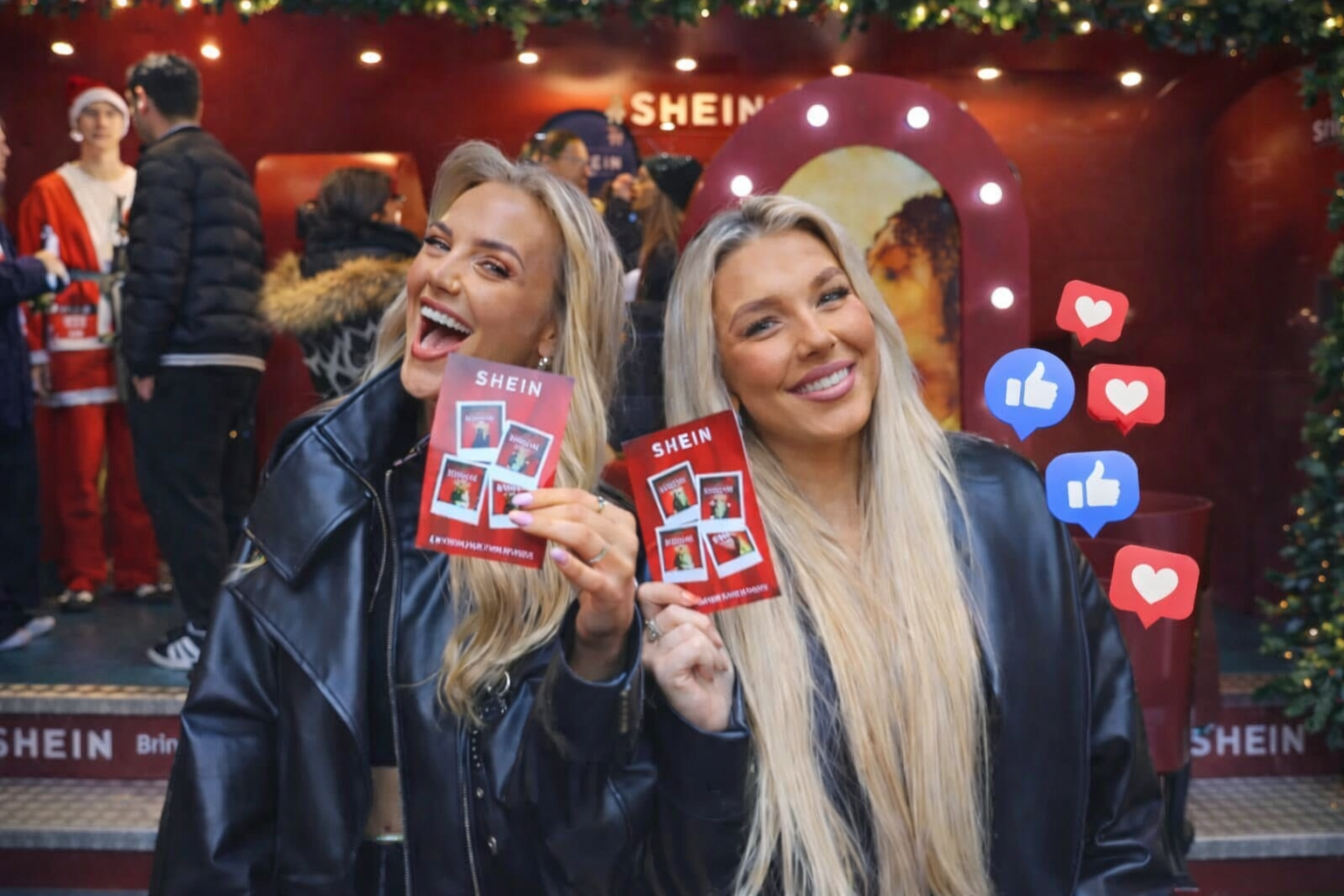
Platforms like TikTok, Instagram, YouTube Shorts, and Facebook reward creative and engaging content – instead of big advertising budgets.
This gives brands the chance to compete on ideas, not ad spend. Whether it’s a fun video about the latest flavour, or a simple shot of a customer getting a free ice cream scoop, organic content often goes a long way to drive engagement.
And while influencers can’t be paid to advertise HFSS food and drink, they can be invited to experiential campaigns (no strings attached) or asked to collaborate on healthy products. See our article on the role of influencers post-HFSS to learn more.
Why content works
Organic content is effective because it earns attention instead of buying it, and gives fans a way to interact with the brand – whether it's informative, entertaining, or inspirational.
For brands trying to advertise their less healthy products, it’s the best way to earn trust and build emotional connections. That’s why content doesn’t just matter for brands selling HFSS products – it’s essential for anyone hoping to be seen online. Great content:
-
Sparks conversation and sharing
-
Builds long-term brand loyalty
-
Encourages user-generated content
-
Keeps brands in focus without paid media
-
Makes the viewer feel part of the story
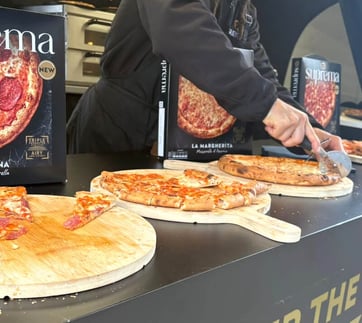
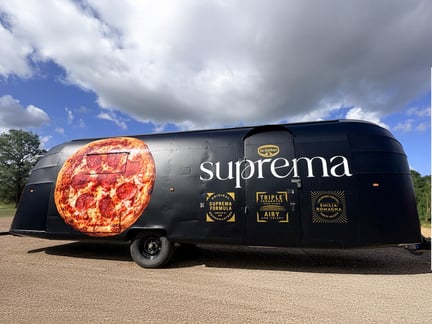
Here’s an example: Dr Oetker came to us for a vintage Airstream, where staff could cook up samples on board. It was used to make fresh content for the company’s social channels, resulting in a 500% uptick in pizza sales!
Wondering what organic content could do for you? See our guide to why campaign videos and images matter.
Ready to make engaging content?
At Promohire, we help brands engage with their followers through lively brand experiences, including food and beverage events.
But where should you start? If you haven’t already, we suggest checking out our learning centre for all the ideas and education you'll need – including 5 HFSS-friendly ideas to get your brand seen.
We also capture content for some of the biggest brands in the UK, providing everything from raw footage to images and social reels.
Hit the link below to see how we can make your brand the hero of the moment – for evergreen content your followers will love!
