


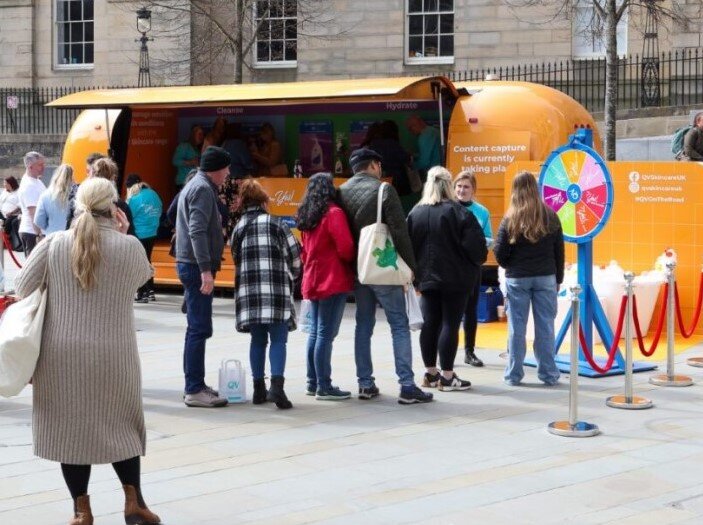


Influencers have reach, credibility, and the power to shape opinions. But not all types of influencers are the same: from mega and macro to micro and nano, each has a different number of followers – and a different level of sway. That’s why you should think about who you partner with, and what they can bring to your project.
In this guide, we break down the various types of influencers and explore how to pick the right creators for your brand.
1. Mega influencers
Mega influencers are household names or celebs with huge followings, often with over a million fans. Their reach is massive, and this makes them strong contenders for high-profile collabs and partnerships. Visibility and star power combine to naturally attract cameras, journalists, and fans alike.
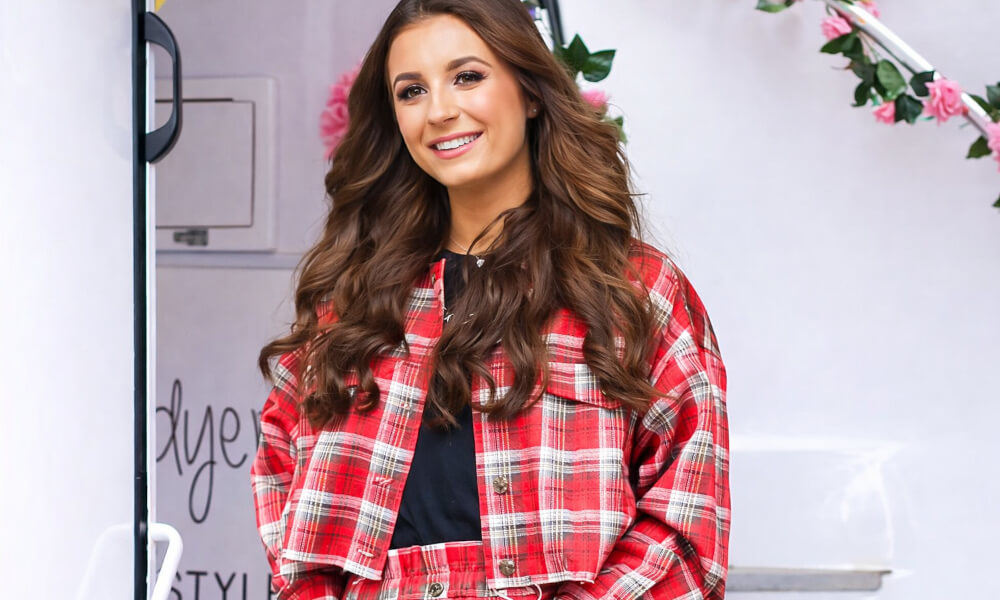
While mega influencers command attention, they can be expensive and hard to pin down. These types of influencers won’t get involved for free, so they’re not the best choice when advertising foods high in fat, salt or sugar. Learn more in our guide to the role of influencers after the HFSS ad ban.
Choose mega influencers for:
-
Mass awareness campaigns where visibility’s your main goal
-
Major product launches with global exposure
-
High-profile partnerships, e.g. fashion and beauty collabs
2. Macro influencers
Macro influencers have between 100k and 1 million followers. They balance reach with engagement, have a strong niche carved out, and can be ideal for influencer marketing projects that don’t need the pull of a household name.
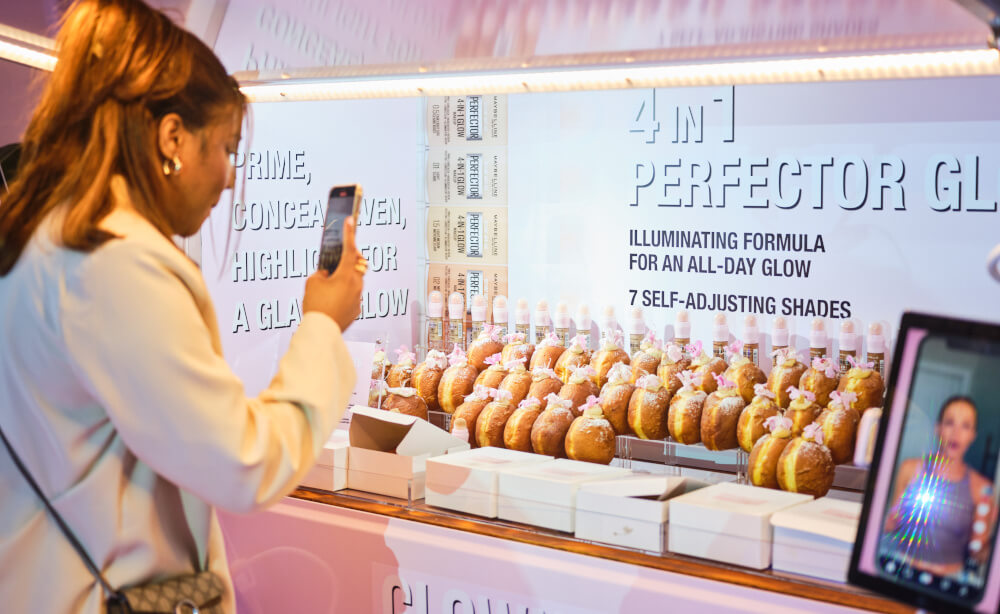
With a wide follower base, they can get your brand or product seen quickly – and faster than most paid ads. That’s the power of organic content, whether it’s from an exclusive event or an immersive brand experience.
Want to include them in your marketing project? Get inspired with the top 8 influencer campaign ideas.
Macro influencers are great for:
-
Mid-to-large launches and regional activations
-
Scaled campaigns with strong engagement
-
Video content with high viewership numbers
3. Micro influencers
Micro influencers have between 10k and 100k followers and are highly trusted by their followers.
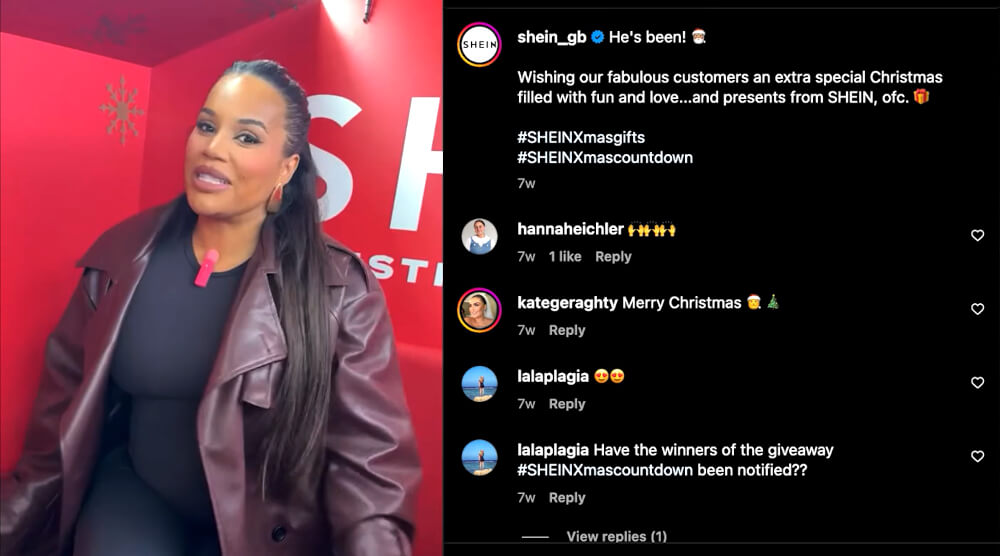
Audiences are smaller but engaged, so they’re more likely to interact with posts shared during pop-ups, brand takeovers, and other live events.
Unlike macro and mega influencers with busy schedules, micro influencers may be happier to play an active role – taking part in sampling, workshops, and photo moments. In turn, their content feels authentic and relatable.
Where do these types of influencers work best?
-
Live activations and immersive, experiential events
-
Any project that puts brand alignment first
-
Influencer marketing pushing customer engagement
For an example of micro influencers used effectively, check out Born to Stand Out’s UK launch.
4. Nano influencers
With up to 10k followers, nano influencers may seem small, but they’re great for local campaigns that are fun and interactive. And because they don’t command attention on a grand scale, they’re less likely to expect a massive payday. Some might even be happy with exposure, content to post, and some high-quality freebies!
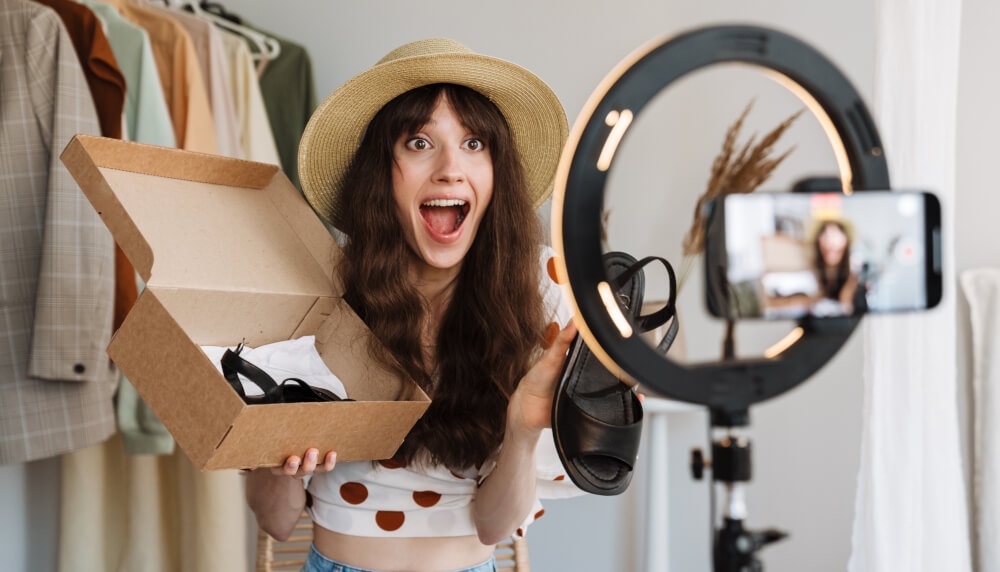
Why not include nano influencers in your next doorstep gifting campaign, so they can unbox your new products on video? Alternatively, invite them to sampling days or ask them to pose next to props at your next live event. They’ll be excited to dive right in!
These creators are excellent for:
-
Local pop-ups and doorstep gifting
-
Generating content that deeply resonates
-
Brands looking to connect with communities
Because nano influencers are more affordable than mega and macro personalities, they’re often the ones invited to events like SHEIN’s #BringtheSparkle campaign.
Other types of influencers
Influencer marketing is about more than just follower count. There are also special categories to consider, as these can truly decide what’s best for your project.
Brand founders – Including the person who started it all adds gravitas to any marketing campaign and gives fans a chance to learn more from the biggest name in the business.
Travel influencers – Running a live, experiential event in a special venue? These personalities will know how to translate that environment into fun, meaningful content.
Lifestyle influencers – From fitness to beauty, they cover specific topics and target a niche audience. Best for brands looking to align personality and subject matter.
Thought leaders – Add authority and credibility by connecting with experts in the field.
Depending on your aims, these different types of influencers can complement mega, macro, micro and nano partnerships.
Turn influence into success
Choosing between influencer types is just the start. Results come from how you brief them, integrate them into your marketing, and structure content capture. It’s the difference between a nice collaboration and a campaign that drives engagement.
For that to happen, you’ll need to think carefully about how to use your influencers. Why not click the link for our 6 insightful tips to get started?
